
There’s something undeniably nostalgic, timeless, and just plain cool about... FILM WEDDING PHOTOGRAPHY.
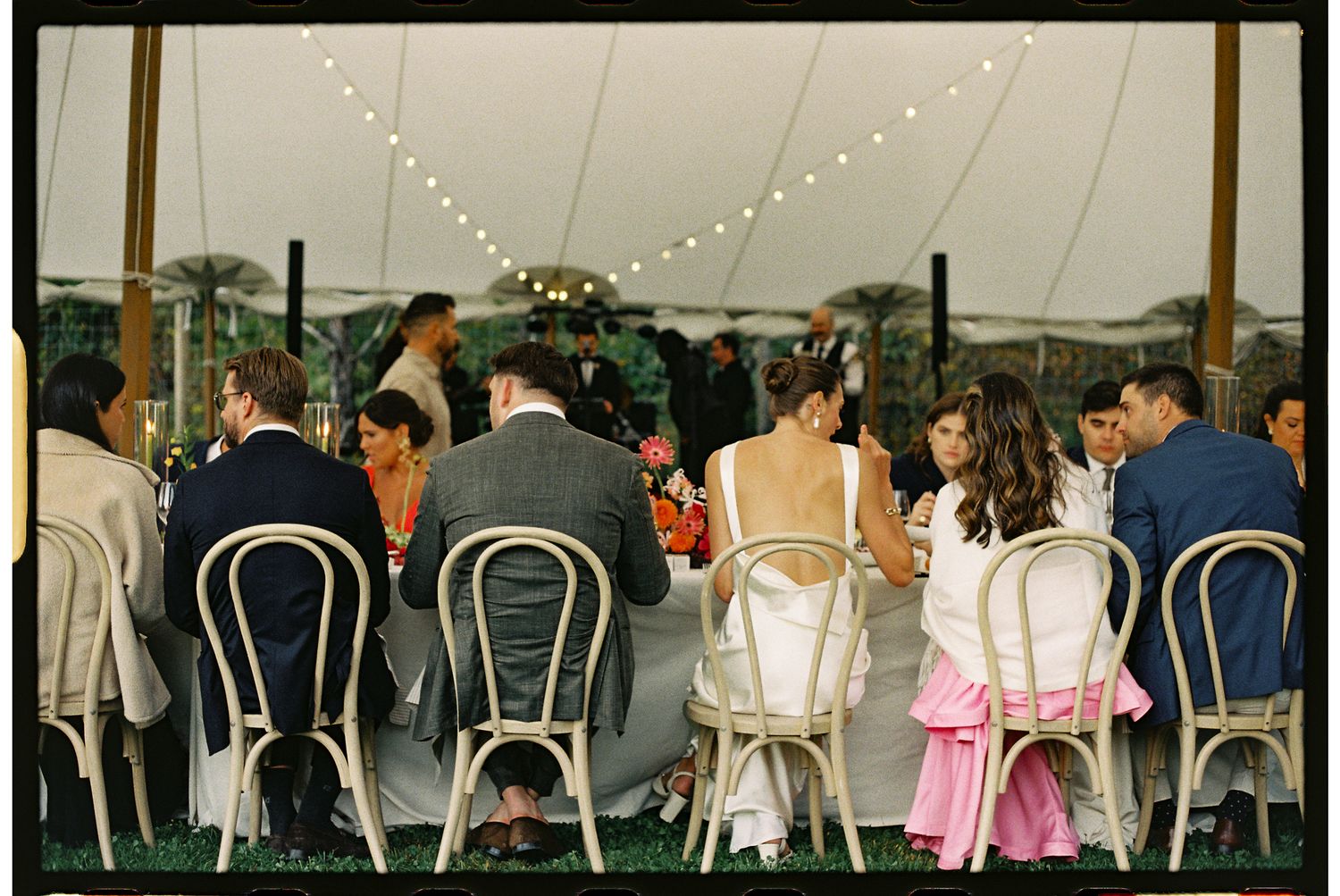
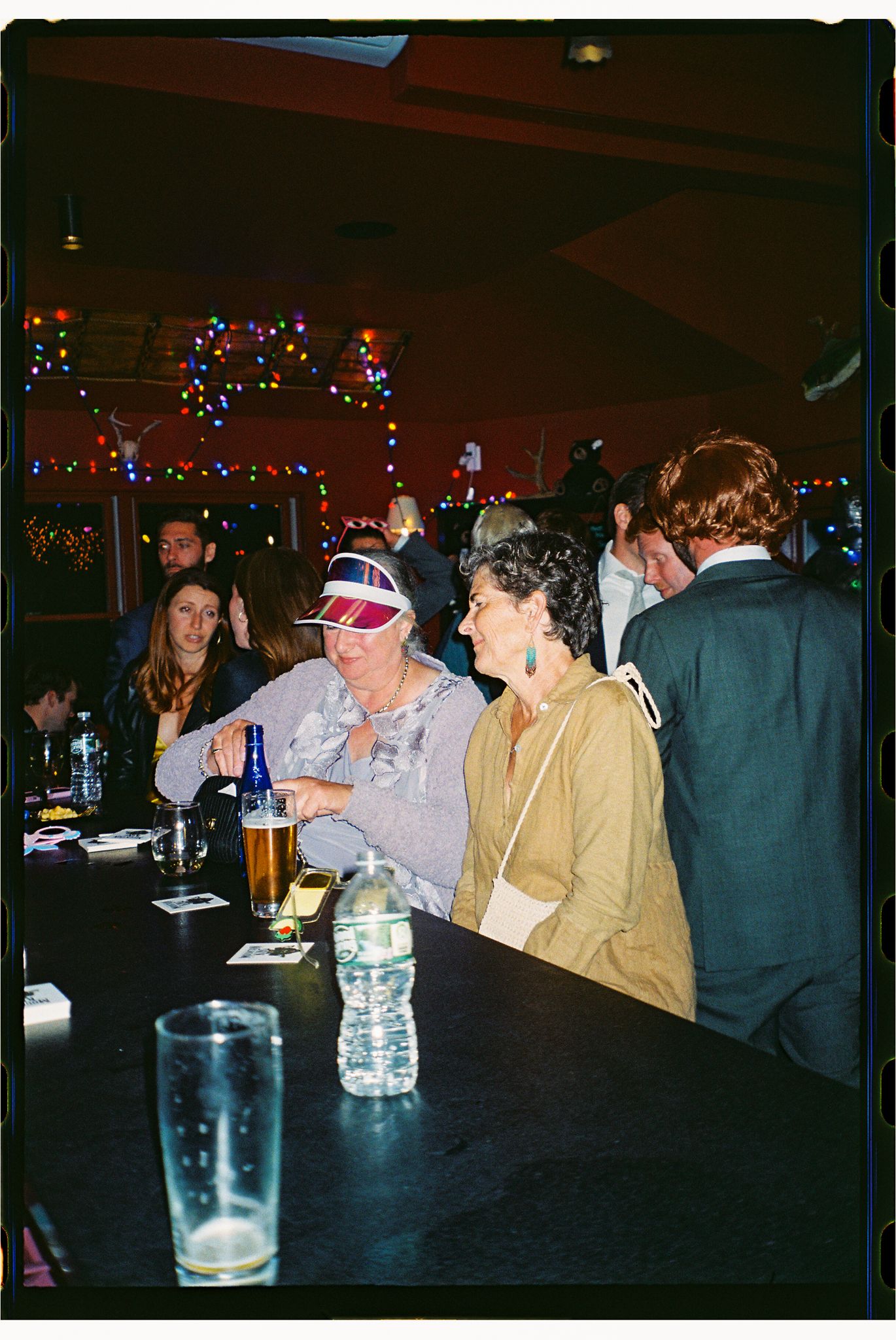
It’s got that dreamy, textured quality that digital can’t quite replicate, making every image feel like a piece of art. But before you dive headfirst into the world of film, there are some things you should know — because while film is gorgeous, she’s also high-maintenance (and a little pricey).
So, let’s break it down: 35mm vs. 120mm film, what it all means for your wedding photos, and why film photography is an investment.
35mm vs. 120mm: What’s the difference?
35mm film: The classic choice
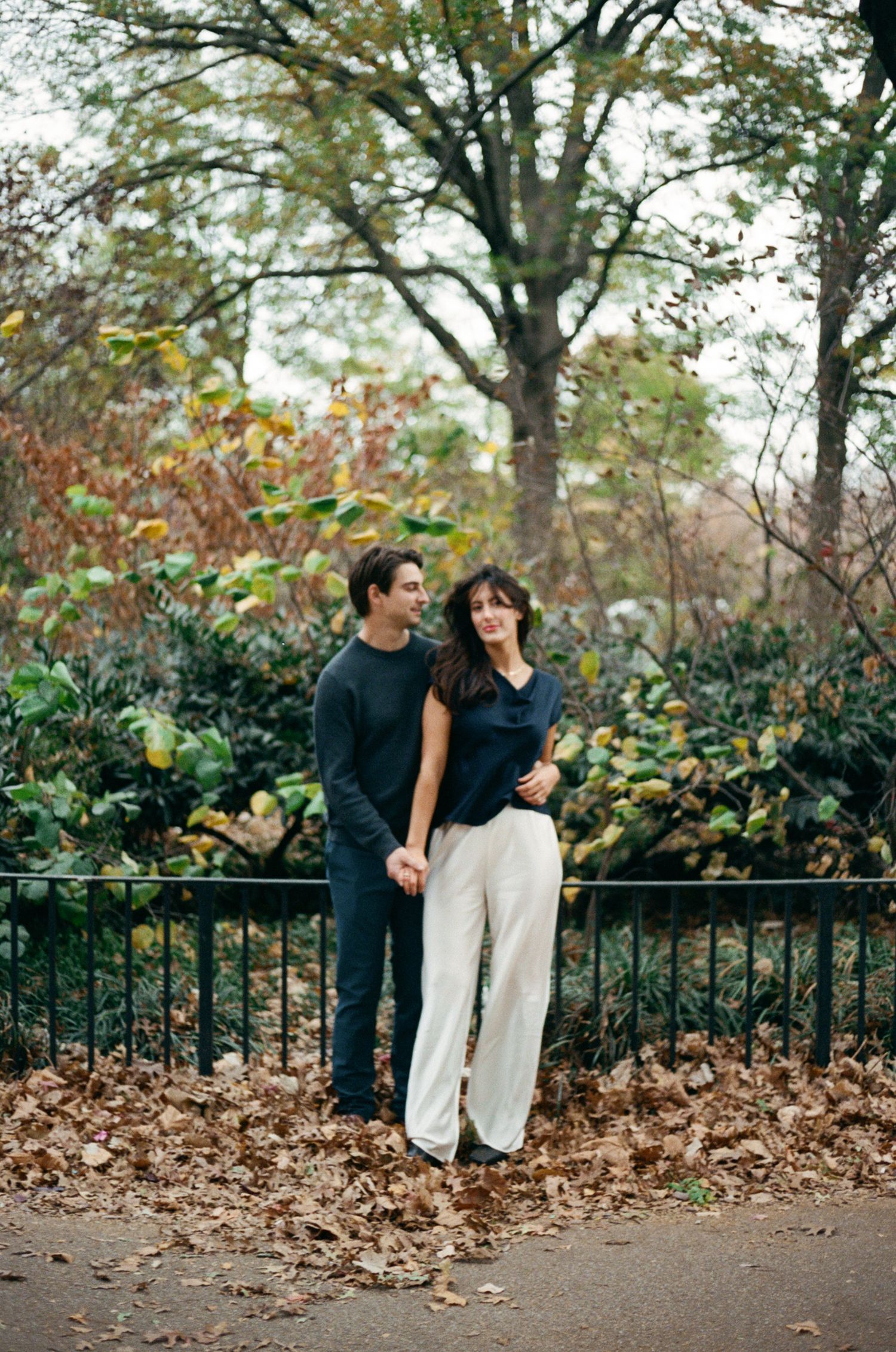
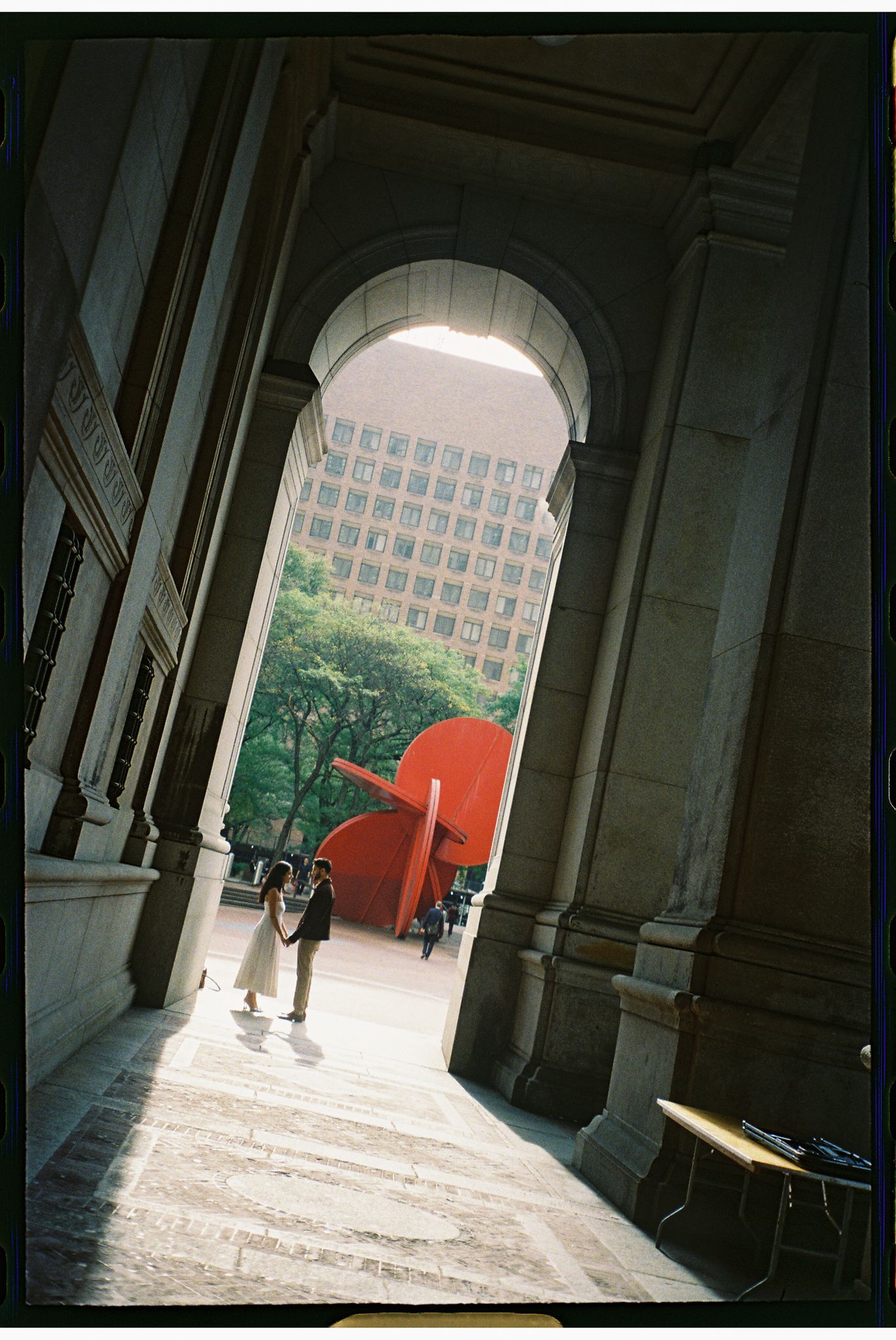
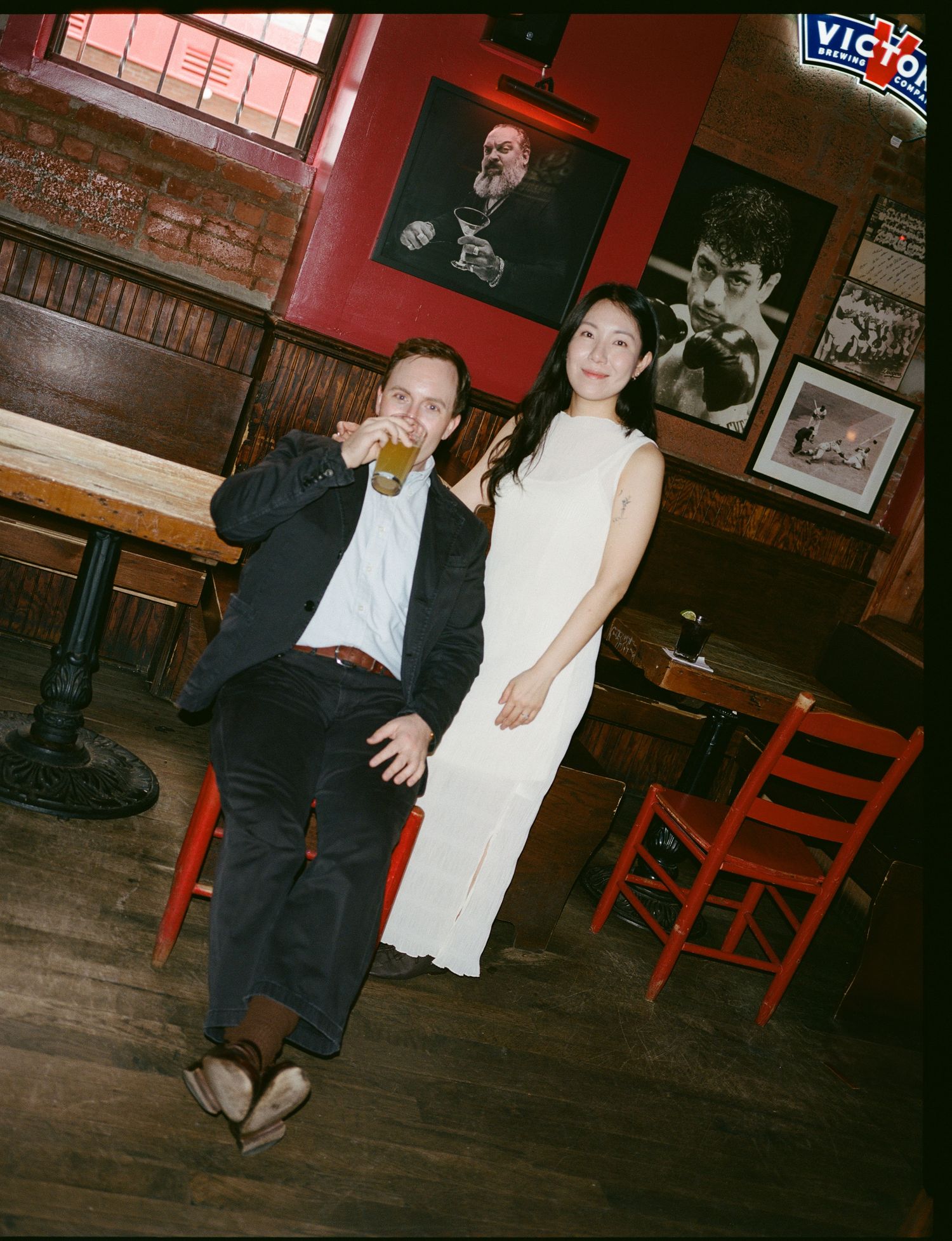
35mm film is the more common and versatile option, giving me 24 or 36 exposures per roll (compared to just 8-16 on 120mm). That means I can capture more moments without having to reload as often. There’s also a much wider variety of film stocks to choose from — Porta, Fujifilm, Kodak Gold, CineStill — each offering a unique color palette and mood. Because of its availability and efficiency, 35mm film is more budget-friendly, making it an ideal choice for couples who love the film aesthetic but don’t want to go all-in on the cost of medium format.
However… the trade-off is resolution. The smaller negative size of 35mm film means that while it’s perfect for albums and standard-sized prints, it doesn’t enlarge as well for big wall art. If you’re envisioning large, high-detail prints, 35mm might not be the best choice. But for candid, documentary-style wedding photography? It’s a dream!
120mm film: The high-resolution beauty
120mm (also called medium format) film is all about quality.
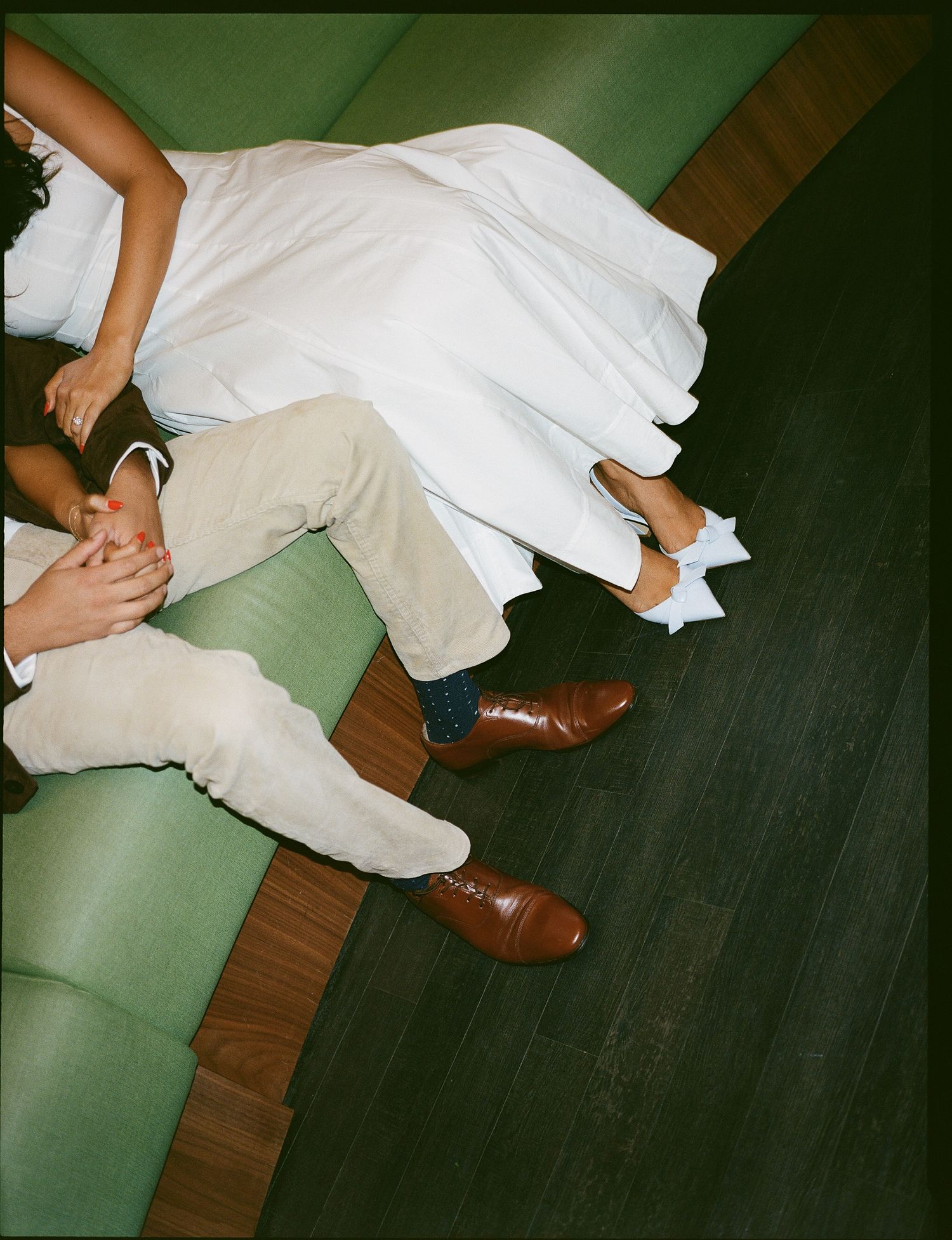
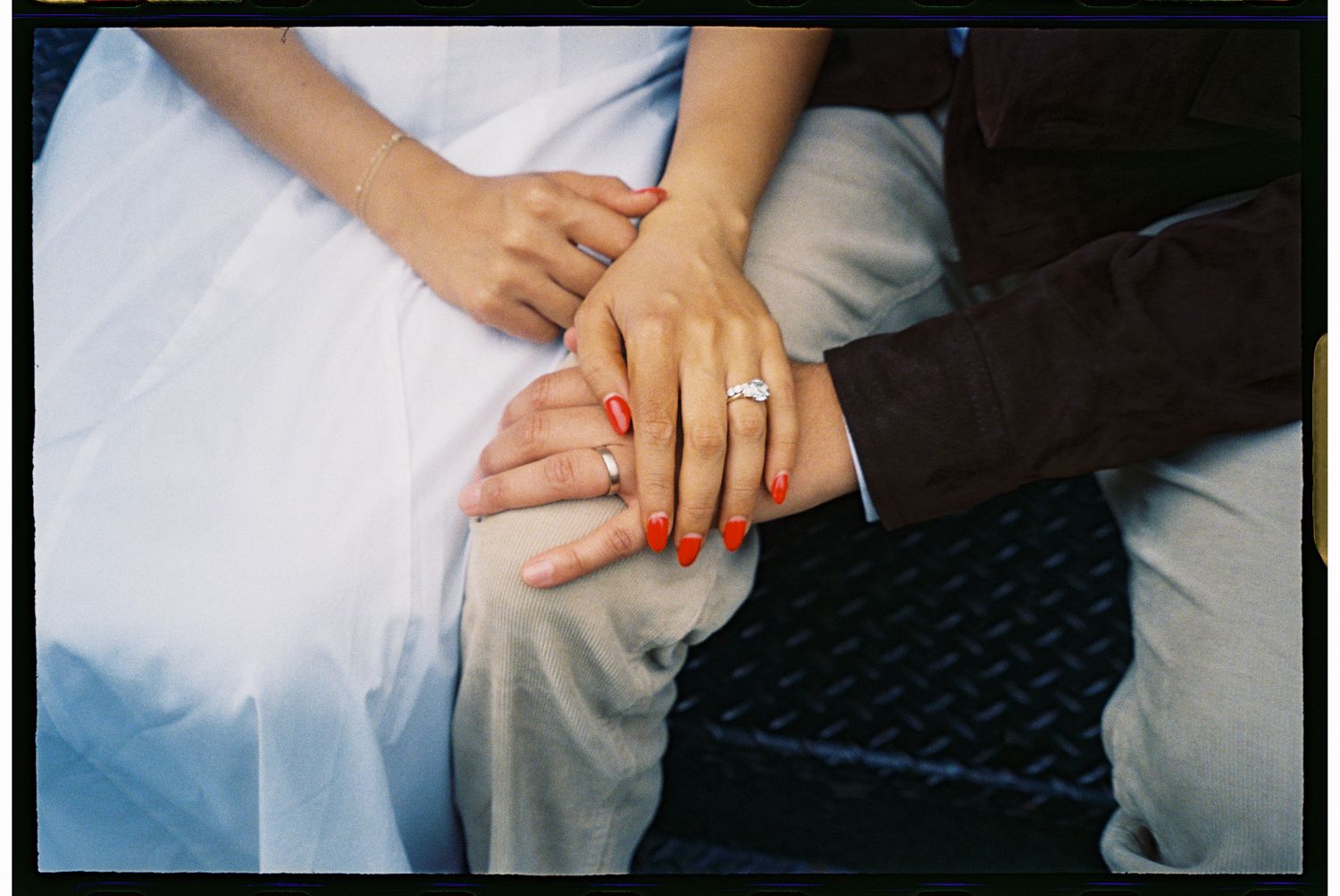
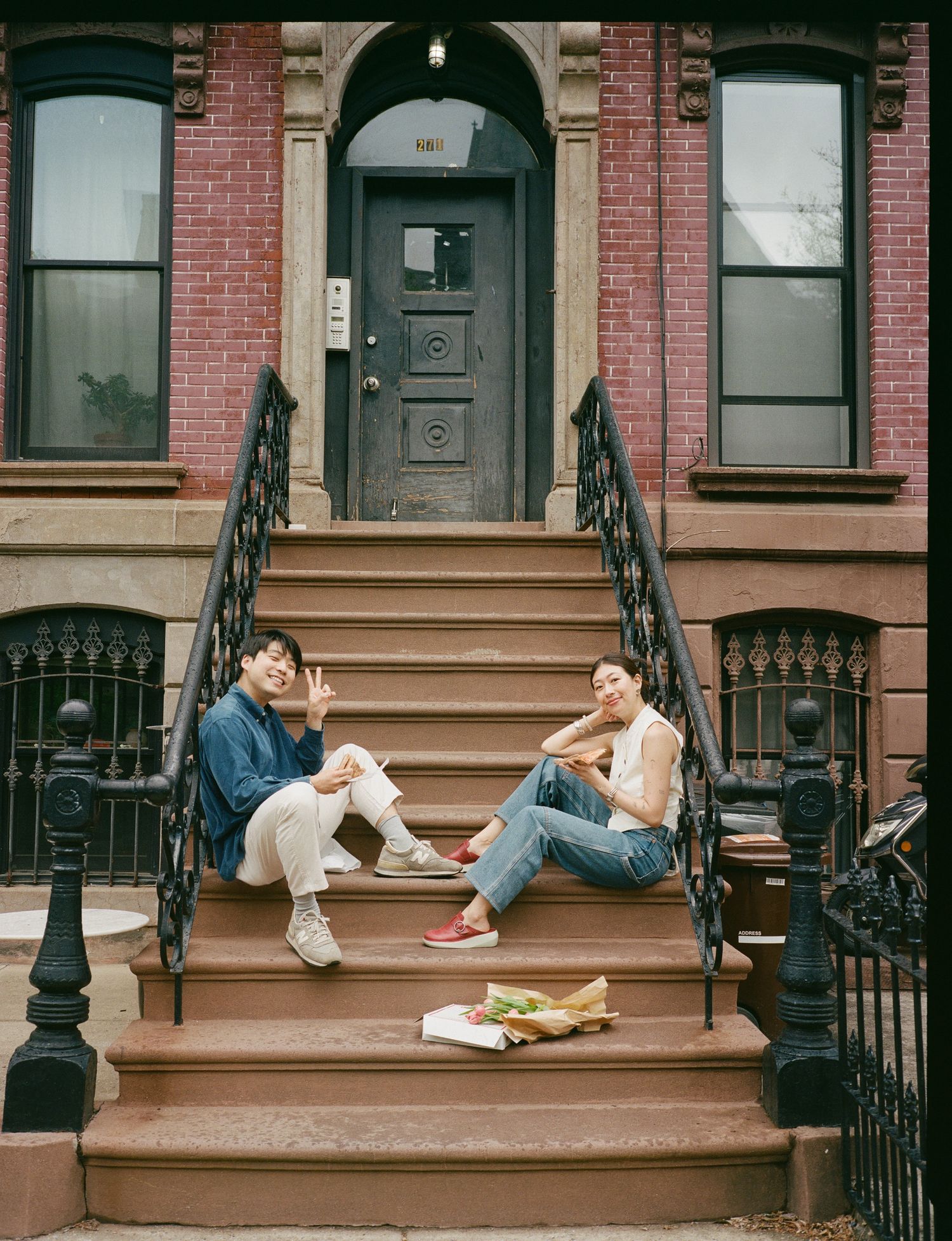
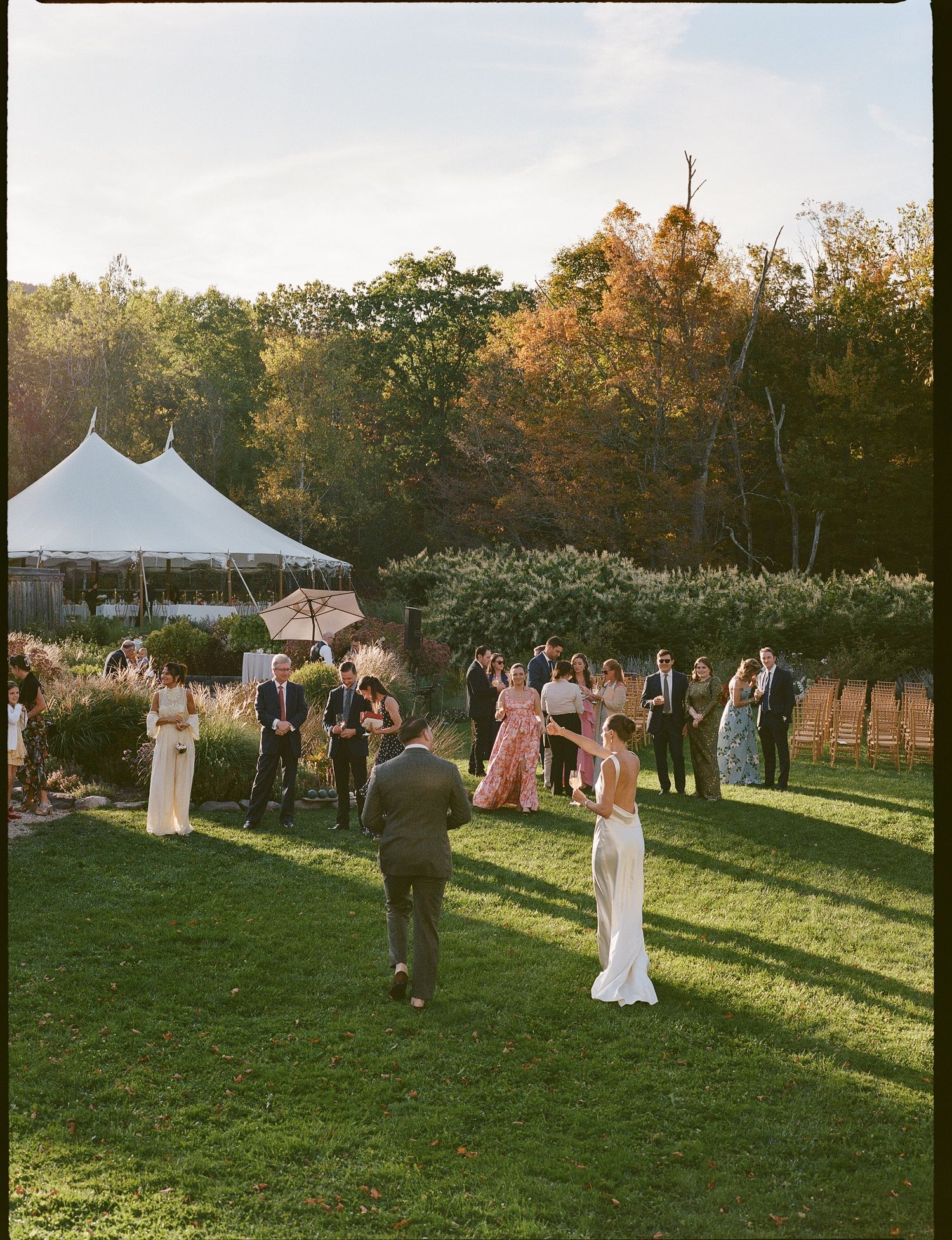
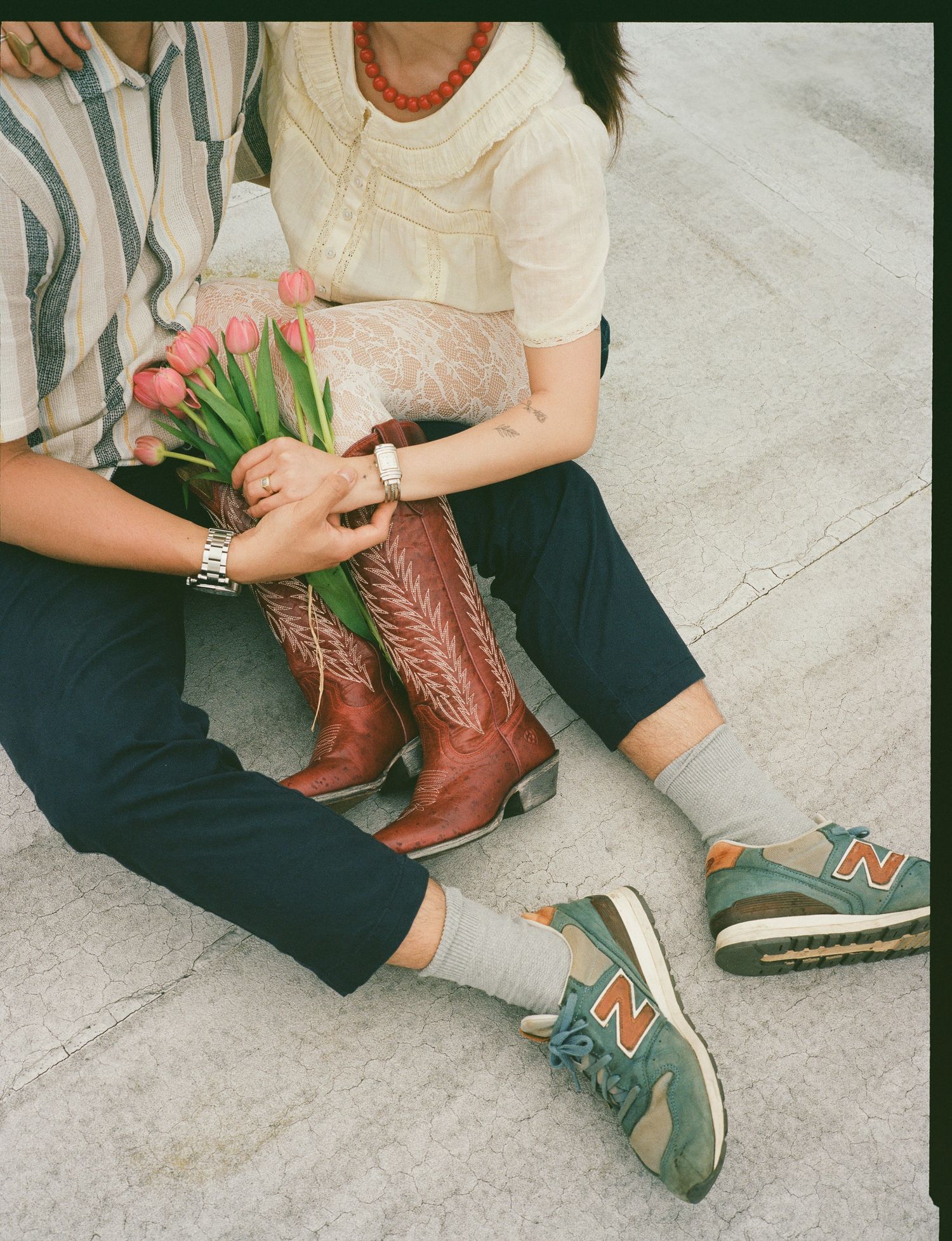
The larger negative size means higher resolution, making it ideal for large prints, editorial-style portraits, and rich, detailed images. It’s the go-to for professional work, especially when I want to capture something with a little more drama — those beautifully lit, high-impact moments that deserve extra attention.
But with great quality comes… fewer shots per roll. Unlike 35mm, a roll of 120mm film typically holds just 8-16 exposures, so every shot has to be intentional. It also costs more to buy, develop, and scan, making it the pricier option. Medium format cameras are also bulkier and more complex, so shooting with them requires a different approach. It’s slower, more deliberate — but that’s what makes the results chef’s kiss perfection.
which one is better?
Both! It all depends on the vibe you’re going for.
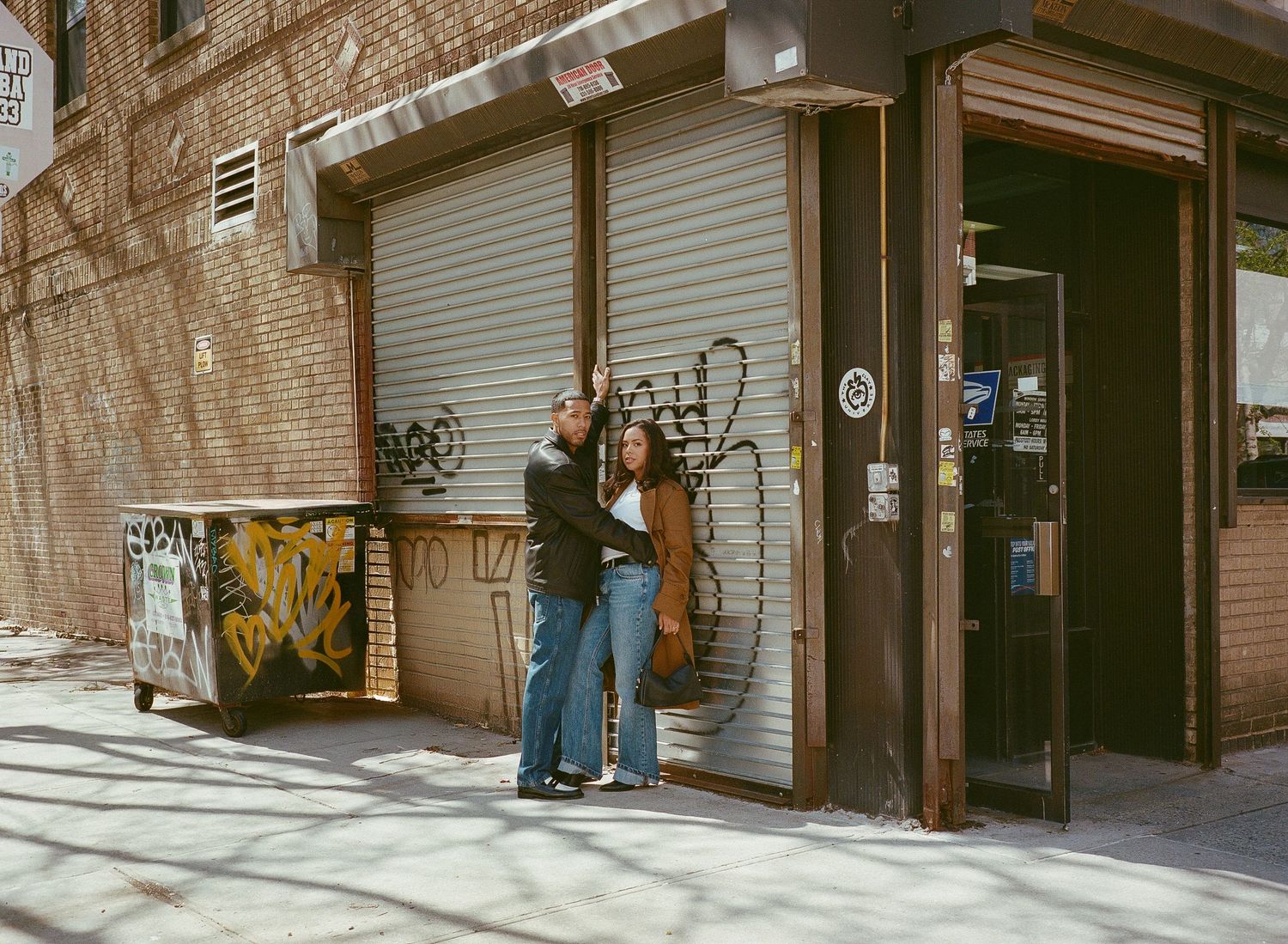
I primarily shoot 35mm film for its versatility but pull out my 120mm camera for those high-impact moments — portraits, dramatic light, editorial-style shots. This way, you get the best of both worlds: the richness of medium format and the charm of 35mm.
Film ain’t cheap (and here’s why)
Okay, let’s talk about pricing because I know couples sometimes wonder: Why does film photography cost more? Here’s the deal—film photography isn’t just about clicking a button. Every roll of film comes with:
The cost of buying the film stock (which is getting pricier by the day!)
STEP 01
Developing the film at a professional lab
Pushing and pulling film can cost more depending on the lab.
Push = longer development
Pull = shorter development
STEP 02
Scanning the negatives for digital use
I scan my film at the highest resolution available, 30 MB and request TIFF files whenever possible. I generally prefer TIFFs, though some labs don’t offer them, in those cases, I opt for the highest-resolution scans available, which may come at an additional cost.
STEP 03
Color correction & dust removal (yes, dust is a thing)
Often included at a basic level
Costs more if it’s manual, frame-by-frame, or labeled as premium/retouching
STEP 04
Uploading everything for you to download & enjoy
Usually through a service like WeTransfer, Dropbox, Google Drive, or a the labs portal.
Sometimes involves resizing or compressing for online use while keeping originals safe.
And that’s on top of the digital images I’m capturing throughout your day. Film is an art medium a slow, intentional process that requires skill, time, and investment.
Do you need film photography for your NYC wedding?
Ask yourself:
Do you love the look of film photography?
Are you drawn to the vintage, editorial, romantic aesthetic?
Do you want a mix of digital & film for the best of both worlds?
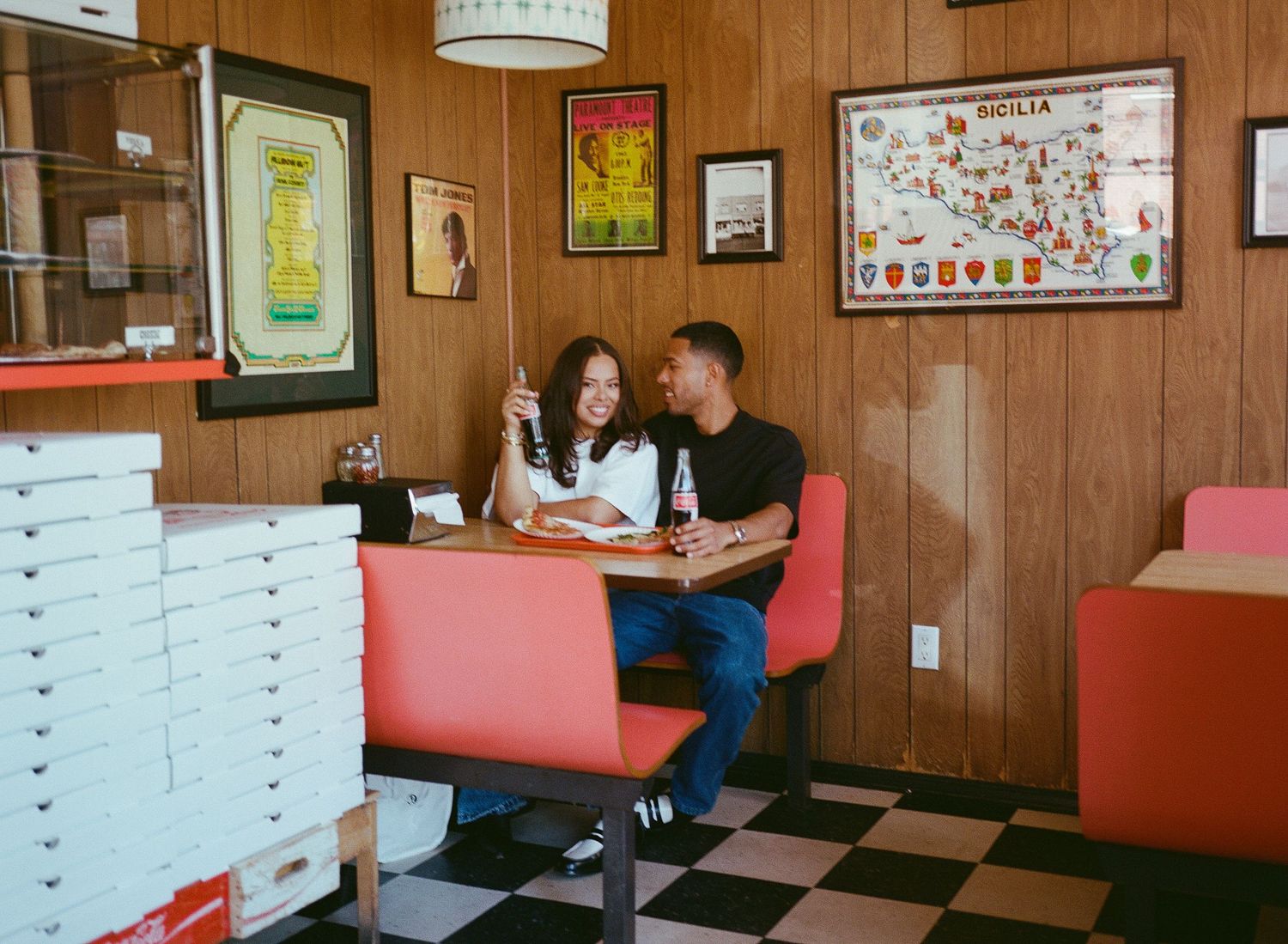
If the answer is yes, film is worth considering! But know that it’s not just a trend — it’s a craft. It’s what makes your photos feel like memories instead of just images.
If you’re wondering whether I can shoot both film and digital
for your wedding the answer is YES!


